
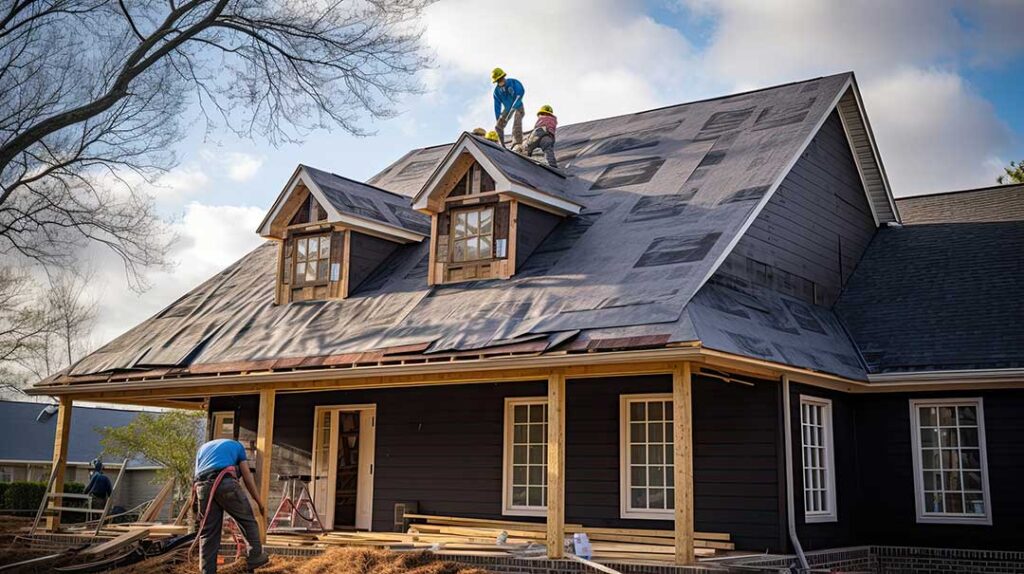
What Are Local Building Codes for Roofing?
Local building codes are official regulations that determine how roofs must be constructed, repaired, or replaced in Farmington, NY. These rules exist to protect the structural integrity of homes, help manage environmental factors like snow and wind, and ensure the safety of residents.
Building codes for roofs can affect:
- Material types and required quality
- Installation methods
- Ventilation standards
- Minimum pitch for roof slopes
- Fastening requirements for shingles or other coverings
In Farmington, these codes are set by the municipality and are shaped by New York State’s building codes, with adjustments for the local climate and housing stock.
Why Do Local Roof Codes Exist in Farmington, NY?
Local roof codes account for the unique weather, housing, and safety needs of Farmington. Snow loads, freeze-thaw cycles, and wind gusts that are common in the area can threaten roofs that aren’t designed to meet specific standards.
Residents sometimes ask if these codes are truly necessary or just bureaucratic. In reality, local regulations:
- Prevent damage from heavy snow and ice buildup common in upstate New York winters
- Reduce risks from wind uplift and leaks in storm season
- Set a minimum standard for materials to avoid rapid deterioration
- Help protect against fire hazards in certain neighborhoods
Without such codes, insurance claims related to roof failures would rise and overall community safety would decrease.
Which Parts of Your Roofing Project Are Affected?
Everything from minor repairs to total replacements must usually comply with local guidelines, not just new home builds. The most heavily regulated parts may include:
- Replacement or changes in structural decking
- Major repairs that involve removing multiple layers
- Roof re-covering when more than a certain percentage of the surface is replaced
- Attaching solar panels or skylights
Re-roofing with materials and methods that don’t meet standards can invalidate warranties, create insurance issues, or delay the sale of a home.
How Does Climate Influence Farmington’s Roofing Codes?
Local codes are drafted to handle the specific weather conditions found in this part of New York.
For example:
- Snow load requirements are critical due to frequent winter storms. Codes dictate how much weight a roof must safely handle, which could require additional supports or particular decking materials.
- Ice dam prevention regulations often call for proper underlayment and attic ventilation to avoid damage during freeze-thaw cycles.
- Wind rating standards ensure shingles and fastening systems withstand gusty spring weather.
Some residents mistakenly think southern or coastal roofing guidelines apply locally, but Farmington’s rules are heavily influenced by cold climate demands.
What Happens If You Ignore Local Roofing Codes?
Skipping code requirements, knowingly or otherwise, can cause significant setbacks:
- Unpermitted work may have to be torn down and rebuilt if discovered during an inspection or property sale
- Insurance companies may deny claims if a loss relates to non-compliant roof sections
- Code violations could result in municipal fines
- Unsafe or underbuilt roofs risk collapse, leaks, or fire hazards
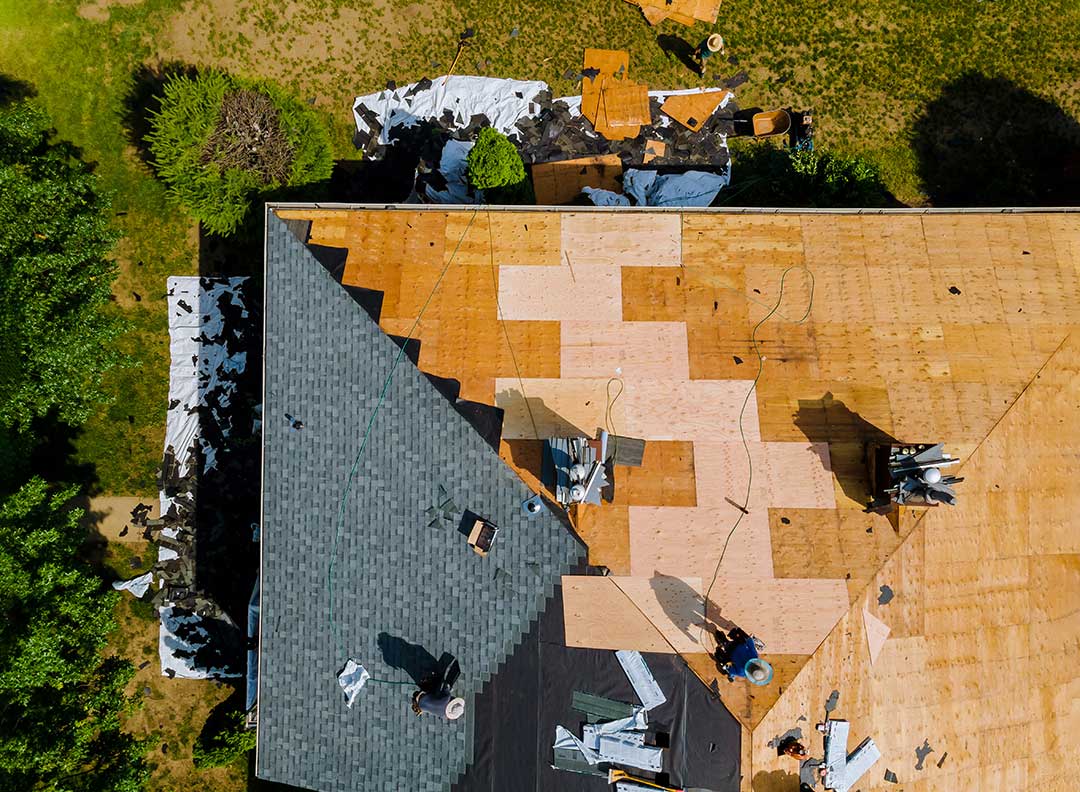
A common misconception is that minor projects or repairs “don’t count,” but even simple shingle replacements may fall under code if they cover a significant area.
Are There Common Misunderstandings About Local Roof Regulations?
Yes, several subtle but important points come up frequently:
- Myth: “If I use quality materials, that’s good enough.”
*Fact:* Even the best products must be installed to code, which includes methods, not just material quality.
- Myth: “Building codes are only for new houses.”
*Fact:* Almost any sizable roof project can trigger a need for permits and inspections.
- Myth: “Nobody actually checks.”
*Fact:* Home inspectors, appraisers, and municipal building officials do check—especially during sales and after major storms.
Overlooked details, like ventilation minimums or the placement of ice barrier membranes, are often the cause of code violations in this area.
Where Can Residents Find Trusted Local Guidance?
Local residents have official sources for up-to-date regulations:
- The Farmington town website publishes building code specifics and permit requirements
- The Code Enforcement Office provides direct answers about what projects need pre-approval or inspections
- New York State Department of State posts the baseline residential code, which local rules must at least match
Seeking these sources before beginning work can prevent future hassle and ensure your project adds lasting value.
What Unique Factors Should Farmington Homeowners Keep in Mind?
Housing in Farmington often includes a mix of older homes and newer builds, each with their own concerns:
- Older homes may require additional retrofitting to bring roof structures up to modern code, especially if past repairs used older methods or non-compliant materials
- Neighborhood associations or historical districts may have stricter guidelines layered on top of municipal codes
Additionally, the area’s freeze-thaw cycle means overlooked attic insulation or venting issues can lead to water damage, mold, or premature shingle failure—issues that proper compliance aims to prevent.
