
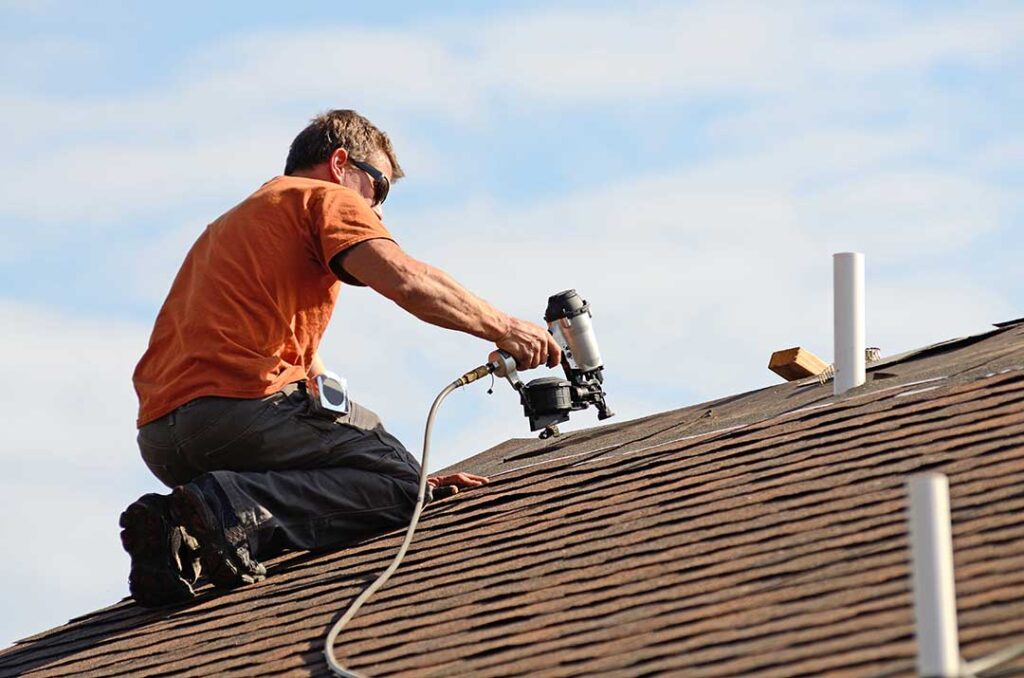
What Should Farmington, NY Residents Know About Roof Repairs During a Health Crisis or Community Emergency?
Managing roof repairs in Farmington during a public health crisis like COVID-19, or other emergency situations, raises unique challenges for local households. It is possible to address urgent roofing needs while reducing health and safety risks by planning carefully and adapting typical procedures. Understanding which repairs can be safely delayed—and which require immediate attention—is essential for protecting your home without unnecessary exposure.
Can Roof Repairs Be Deferred, or Are Some Issues Urgent?
Most minor roof repairs can be temporarily postponed, but not all problems can safely wait. Farms and homes in Farmington often face weather extremes—from lake-effect snow to heavy spring storms—so ignoring serious leaks or visible structural damage can quickly lead to mold, water damage, or compromised insulation.
Urgent issues that usually cannot wait include:
- Active leaks, especially after a storm or wind event
- Sagging, collapsed, or clearly unstable roof sections
- Large amounts of missing shingles in a concentrated area
- Fire or tree impact damage
Smaller, less critical issues—such as a few missing shingles, minor flashing damage, or clogged gutters—can generally be monitored until safe to address.
How Can Farmington Residents Assess Roof Problems Safely?
If unsure about your roof’s condition, a visual inspection from the ground (using binoculars or a phone camera zoom) can reveal many common problems. Only attempt to climb a roof if you have experience, the structure is stable, and conditions are dry and calm.
Check for:
- Obvious signs of leaking indoors—such as stains, bubbling paint, or damp attic insulation
- Noticeable shingle loss, curled edges, or missing flashing visible from the yard
- Debris or limbs impacting the roof after a windstorm
Photographing suspected problems can also help document the issue for future repairs or insurance purposes.
How Should Homeowners Prepare If Work Must Be Done During a Crisis?
If a roof problem in Farmington cannot be delayed and a repair must be scheduled, take extra precautions before, during, and after the repair process to prioritize everyone’s well-being.
Steps for Safe Preparation:
- Review current national, state, and local health guidelines for in-person services
- Ask about contactless assessment options—some repair teams may be able to use photos, remote video calls, or drone inspections to reduce in-person visits
- Limit the number of people involved
- Agree in advance on safety practices, such as distancing, mask use, or designated bathroom arrangements, if indoor access is needed
In Farmington, where weather can change quickly, plan for potential rain or snow delays, and ensure all communication is clear if schedules shift.
What Health Precautions Are Necessary for Residents and Workers?
Roof repairs can generally be performed with minimal indoor contact, which helps reduce risk during a pandemic or public health concern. However, if workers must enter the home or garage, extra steps can further limit possible exposure:
- Maintain at least 6 feet of physical distance
- Use separate entrances when practical
- Wipe door handles and frequently touched surfaces before and after any visits
- Keep windows open for ventilation during indoor work or meetings
- Use digital payment or paperwork options when possible
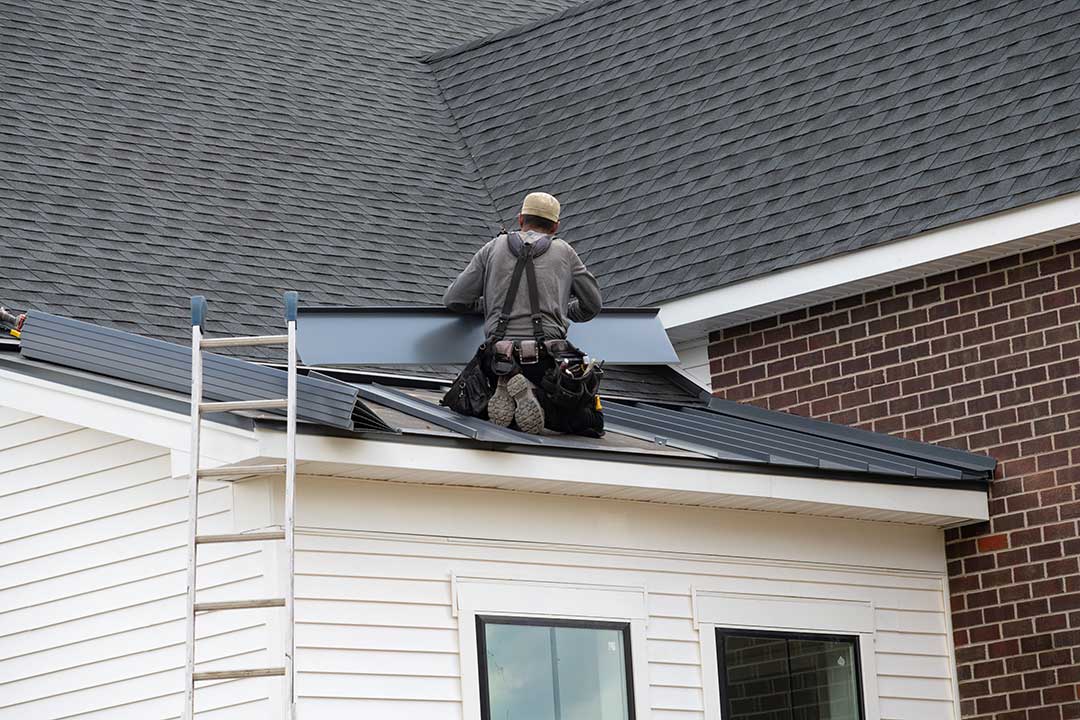
Some households in Farmington choose to remain outdoors, in a separate part of the home, or wear masks while repairs are underway—especially if anyone is at high risk or immunocompromised.
How Does Severe Weather or Supply Disruption Affect Roof Repairs?
Major emergencies can disrupt material supply lines or postpone non-urgent work. In upstate communities like Farmington, locally available roofing materials or replacement parts may sometimes run short after widespread storms or transportation delays.
To prepare for possible delays:
- Use tarps, plywood, or heavy-duty plastic to temporarily patch leaking areas from the exterior if you can do so safely
- Monitor for signs of worsening leaks or interior water damage, especially after heavy rain or snow
- Contact your homeowner’s insurance, if needed, to report the issue and ask about crisis-specific allowances
Document all temporary fixes and photograph each stage, as this can help clarify timelines and responsibilities later.
Are There Any Local or Regional Regulations for Roof Repairs During Emergencies?
Farmington is governed by local building codes and, in crisis periods, may follow updated guidance from state or regional health and safety agencies. Sometimes certain types of construction or repair work are classified as “essential services” and allowed to proceed even during restrictions. Other times, projects may be paused or require additional permits.
Check for local updates by visiting the official Village or Town of Farmington website, or referring to New York State bulletins about emergency or disaster protocols for residential repairs.
Common Misconceptions and Overlooked Factors
Myth: Minor roof issues can always wait until after a crisis.
Small leaks in Farmington homes, especially during wet periods, can become major quickly and may lead to mold or attic damage even if they look minor at first.
Myth: All repairs must stop during a public emergency.
While some work is delayed for safety, urgent and emergency repairs are often permitted, especially if health, safety, or weather exposure is a concern.
Overlooked Factor:
Rooftop solar panels or satellite dishes may complicate DIY repair or assessment efforts. In these cases, verify that disconnecting or moving equipment can be done safely and in compliance with any local or utility rules.
What’s the Safest Way to Balance Protection and Health in Farmington?
By carefully evaluating which roofing issues demand immediate action, using all available contactless tools, and following up-to-date guidance from local authorities, area residents can maintain both their home’s integrity and their family’s health. Farmington’s mix of weather extremes, older housing, and active community networks can support safer, more informed decisions even during challenging times.
