

What Are Roof Fire Ratings?
Roof fire ratings are official classifications that indicate how well different roofing materials can resist fire. These ratings play a key role in helping area homeowners choose safer materials that could slow or prevent the spread of flames if a fire starts either outside or inside a building. In Farmington, roof fire ratings offer specialized guidance due to the seasonal variations and natural weather cycles of upstate New York, which impact fire risk throughout the year.
The ratings—Class A, B, and C—are determined by laboratory testing defined by national standards, usually the ASTM E108 or UL 790 tests. The primary goal is to help residents understand not only which roof types provide better protection but also how to make informed choices based on their own risk tolerance and property type.
Why Should Farmington Residents Care About Roof Fire Ratings?
Fire safety isn’t always the first thing people consider when choosing a new roof, but it has practical consequences. Farmington’s housing patterns include both wooded neighborhoods and open developments, creating mixed exposure risks. While major wildfires are rare, roof fires can start from sources like lightning, barbecue mishaps, sparks from nearby fires, or even stray fireworks—common in various seasons.
Choosing materials with higher fire ratings increases the chances that a home will resist fire longer—buying time for emergency response and possibly preventing more extensive losses. Insurance policies sometimes factor in fire safety features when setting rates. Additionally, some newer homes or developments in the area may have minimum rating requirements.
How Are Roof Fire Ratings Determined?
Roof fire ratings are based on how materials and assemblies perform under controlled fire tests:
- Class A: Highest fire resistance. Withstands severe fire exposure, won’t produce flaming drips, and resists spread.
- Class B: Moderate resistance. Handles moderate fire exposure, still controls spread reasonably.
- Class C: Basic resistance. Only able to withstand light surface fire.
These tests simulate realistic conditions, such as burning embers landing on a roof, which reflects actual risks experienced by households in the region. It’s important to note that performance can depend not only on the type of roofing material but also on installation quality, underlayments, and what is placed beneath the roofing.
Which Roofing Materials Have the Best Fire Ratings?
Not all roofing types offer equal protection. Here’s a breakdown relevant to Farmington’s typical homes:
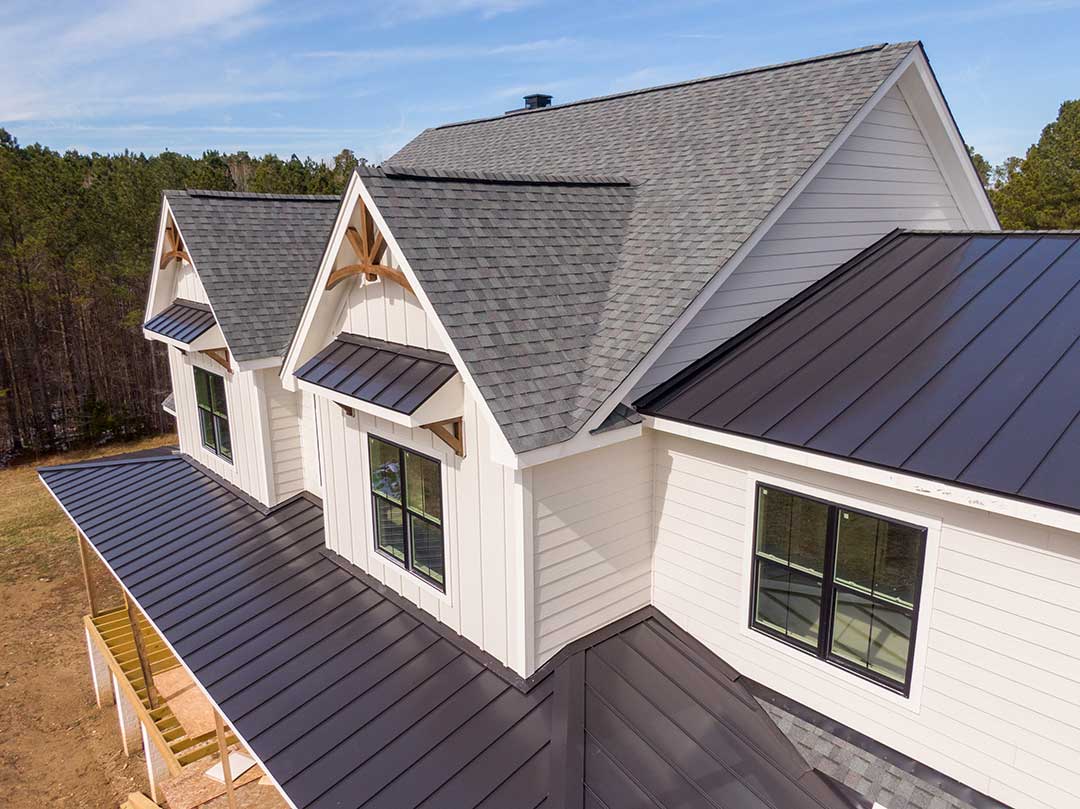
- Asphalt Shingles: By far the most common material in the city. Only fiberglass-based asphalt shingles earn a Class A rating. Organic-based shingles tend to have lower ratings.
- Metal Roofing: Usually rated Class A, since metal will not ignite.
- Clay or Concrete Tiles: Can be Class A when properly installed with fire-resistant underlayments.
- Slate: Naturally fireproof, qualifying for Class A.
- Wood Shakes/Shingles: Typically Class C, unless specially treated to upgrade performance—an important distinction if maintaining a rustic look is a priority.
For most local homes, opting for a Class A roof offers the highest margin of safety, especially when paired with solid installation and compatible underlayment. However, product labels and certification marks should always be checked, as ratings apply to assemblies, not just individual materials.
Are Local Requirements or Recommendations Different in Farmington?
Roof fire rating standards are usually based on the International Building Code or local amendments. Farmington generally follows New York State and local safety codes, which sometimes recommend or require specific ratings for new builds or substantial renovations, especially in areas near wooded lots or multiunit complexes.
Homeowners should double-check municipal guidelines or ask about any fire safety ordinances when planning a replacement or new build. While older homes may have legacy roofs, upgrades or repairs can be opportunities to increase overall fire resistance.
Do Fire Ratings Only Matter in Wildfire-Prone Areas?
A common misconception is that fire-rated roofing is mainly a concern in wildfire zones. However, fire threats in Farmington are more often related to localized incidents like electrical faults, unattended grills, or adjacent house fires due to the mix of suburban density and wooded surroundings. Wind-driven embers can land on roofs from small backyard fires, especially during dry spells.
A fire-resistant roof can help prevent a small incident from turning into a house-wide emergency. Even without regional wildfires, properties near brush and trees—frequent throughout the city—face increased exposure during late summer and dry periods.
What Other Factors Affect Roof Fire Safety?
A roof’s fire resilience relies on several variables beyond the surface material:
- Proper installation—gaps and overlaps matter
- Use of compatible, rated underlayments
- Condition and age of the roofing
- Cleanliness (removing leaves, needles, and debris that can ignite)
- Design elements like vents, overhangs, and gutters
A roof that earned a Class A rating in the lab may underperform if it has accumulated debris or gaps from improper installation. Annual maintenance, especially after heavy storms or leaf fall, supports ongoing fire protection.
Practical Steps for Area Homeowners
Residents considering a roofing update or replacement in Farmington can take several precautionary steps:
- Check labels for certified fire ratings—look for "Class A" on packaging or documentation
- Ask installers about the full assembly, including underlayment type
- Regularly clean roof surfaces and gutters to limit fuel for accidental fires
- Store flammable materials away from eaves and exterior walls
- Replace aging roofs with higher-rated materials when budget allows
While no roof is completely fireproof, these measures collectively make a difference within the local environment—whether a home is near woods, open fields, or in a close-set neighborhood.
