

How Does Roof Aging Present Itself on Different Types of Roofs?
Each roof material shows its age in unique ways. In Farmington, NY, residents encounter a range of weather—from snowy winters to humid summers—so recognizing these specific signs helps homeowners make timely decisions about repairs or routine maintenance.
What Aging Looks Like on Asphalt Shingle Roofs
Asphalt shingles are widely used in the city due to their affordability and relatively straightforward maintenance. Signs of aging on these roofs can include:
- Curled or cupped edges: Shingles may start lifting at the corners due to moisture intrusion or long-term sun exposure.
- Brittleness and cracking: After years of temperature swings, shingles can dry out and crack. This reduces their ability to keep water out.
- Granule loss: Finding lots of granules in your gutters often signals the shingles are nearing the end of their lifespan.
- Fading or patchy color: Discoloration, especially on the sunniest sides of the home, signals UV wear.
Heavy snow and ice in local winters can also speed up wear, leading to ice damming that worsens shingle damage over time. Many homeowners mistake dark stains as just dirt, but these marks can also indicate algae growth—a sign that shingles are retaining moisture and aging.
How Can You Tell If a Metal Roof Is Aging?
Metal roofs are popular for their durability. However, aging here often looks different:
- Rust or corrosion spots: This is especially common where paint or sealant has worn away, even on so-called "rust-resistant" metals.
- Loose seams or fasteners: Seasonal expansion and contraction can loosen pieces, making the roof more vulnerable to leaks.
- Dullness or chalking: Aging metal often loses its shine, and a chalky residue can appear—most noticeable on painted panels.
- Dents from hail or debris: While not strictly "aging," older metal is more prone to damage from physical impacts as its protective coatings degrade.
Many residents assume metal will last forever, but regular snow loads, as seen in Farmington winters, can strain seams, especially where ice builds up along ridges and valleys.
What Indicates Aging in Wood Shake or Wood Shingle Roofs?
Wood roofing materials provide a classic appearance but require diligent observation for aging:
- Splitting or cracking: UV light, freeze-thaw cycles, and routine moisture exposure cause shakes to break down.
- Curling or cupping: As the wood dries unevenly over time, pieces warp away from the roof plane.
- Moss, lichen, or fungal growth: These often appear on shaded slopes, indicating retained moisture that accelerates deterioration.
- Wood rot: Areas that remain soft or crumbly, particularly at the edges or in valleys, suggest fungal decay.
Homeowners in the city sometimes overlook early-stage rot because moss growth is common with dense nearby trees. Spotting this sooner can help prevent leaks inside.
What Should You Look for on Slate or Tile Roofs?
These premium roof materials often last longer, but their aging symptoms have unique characteristics:
- Cracks, chips, or flaking: Individual tiles or slates may crack from impact or temperature extremes, especially after harsh winters.
- Sliding or slipped pieces: Mortar or fasteners holding the pieces in place can weaken, causing tiles to slip out of alignment.
- Biological growth: Like wood, these roofs can develop moss or lichen, especially where shade slows drying.
- Efflorescence: White, powdery deposits appear on clay tiles as salts are drawn out by moisture.
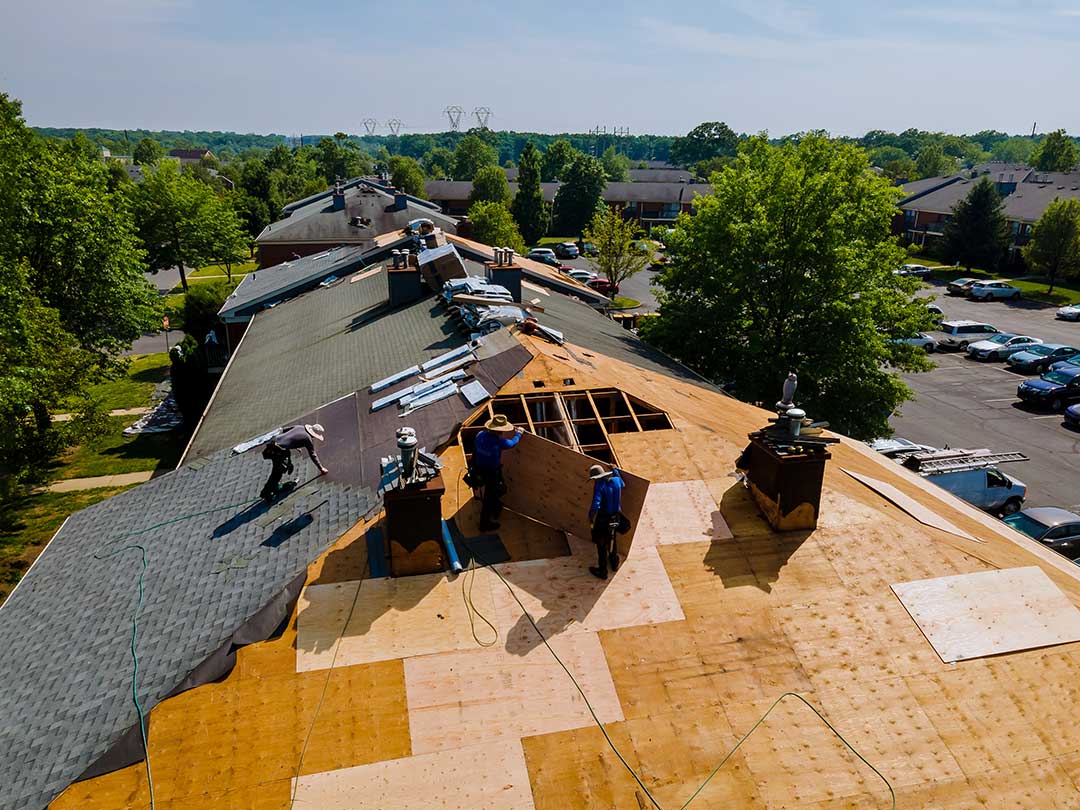
Residents might misinterpret isolated broken tiles as minor surface issues, but even a few compromised spots can lead to bigger leaks because water can easily move beneath unsealed surfaces.
Are There Common Signs for All Roof Types?
Some symptoms signal roof aging regardless of material:
- Leaks or water stains indoors: These often correspond to weakened roofing material, flashing failures, or underlayment problems.
- Sagging rooflines: Noticeable dips can indicate that the deck beneath is deteriorating, which happens as moisture works its way through aged materials over years.
- Blocked or overflowing gutters: Old roofing often deposits more debris, which then collects and worsens drainage problems, escalating roof aging.
Winter weather in the area can compound all these signs, especially if freeze-thaw cycles allow water to get into small cracks and force them wider.
What Mistakes Do Residents Make When Evaluating Roof Age?
- Assuming appearance equals performance: Some roofing looks decent from the ground but may be brittle or compromised underneath.
- Ignoring attic moisture: High humidity or subtle leaks in attic spaces can indicate that roof materials are nearing the end of their life.
- Overlooking flashing and vent boots: Roof aging often shows first around chimneys, skylights, and vents—areas many residents forget to check.
What Seasonal Patterns Affect Roof Aging in the Farmington Area?
Frequent snow, ice dams, and spring storms drive much of the roof aging in local homes. After thawing, it's common to see new leaks or damage appear, as freeze-thaw cycles push apart already weakened seams or materials. High summer humidity can promote moss and fungal growth, particularly if tree cover shades roof slopes and slows drying.
Area homeowners often find that inspecting roofs in both spring and fall leads to earlier identification of problems—before severe weather sets in.
