
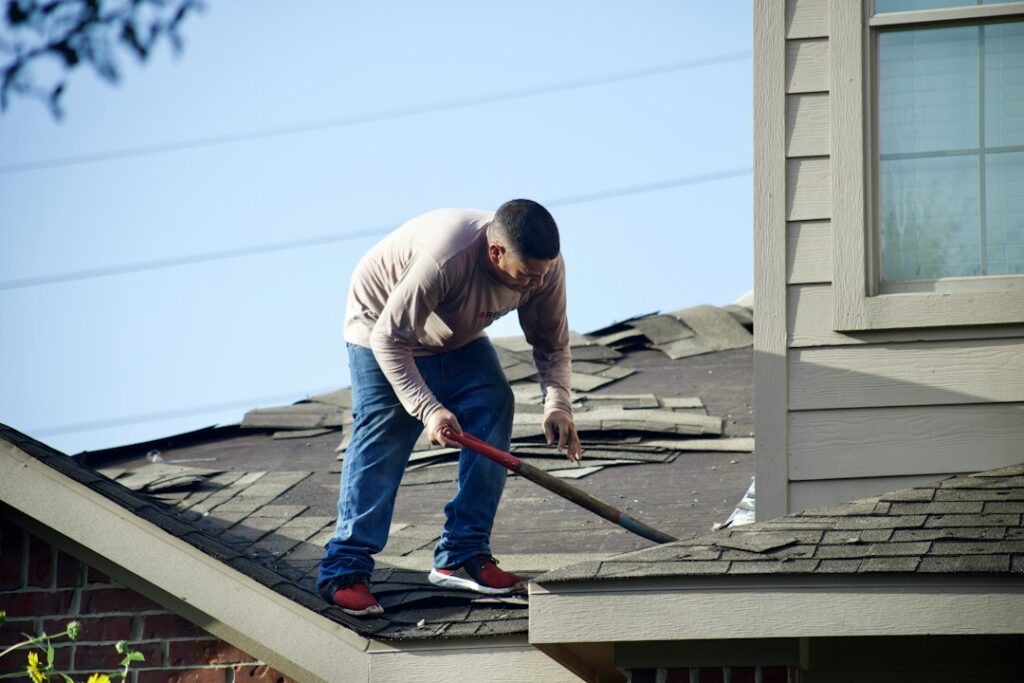
Why does regular roof maintenance matter?
Regular roof maintenance helps identify small problems before they become leaks, structural damage, or premature roof replacement. A roof does more than keep rain and snow out; it also protects insulation, ceilings, wall assemblies, electrical systems, and personal belongings.
For households in Farmington, NY, routine attention is especially useful because roofs experience repeated cycles of snow, ice, wind, rain, and temperature changes. These conditions can gradually loosen materials, open small gaps, and wear down areas that may look sound from the ground.
Maintenance does not mean constantly repairing the roof. It means checking the roof system at reasonable intervals, keeping drainage paths clear, and responding to visible changes before damage spreads.
What problems can routine inspections find?
A roof inspection can reveal conditions that are easy to miss during everyday life. Some defects remain hidden until water reaches the attic or interior ceiling.
Common findings include:
- Missing, cracked, curled, or slipped shingles
- Damaged flashing around chimneys, vents, skylights, and roof edges
- Leaves, twigs, or other debris collecting in drainage areas
- Sagging sections that may indicate moisture or structural concerns
- Loose metal components after strong winds
- Exposed fasteners or deteriorated sealants
- Moss or algae growth in persistently shaded areas
- Clogged gutters and downspouts
- Small openings around pipes, vents, or other roof penetrations
A minor flashing gap may initially produce only occasional dampness. Over time, repeated wetting can damage roof decking, insulation, framing, and interior finishes. Finding the opening early is usually less disruptive than addressing several layers of water damage later.
How does maintenance help prevent roof leaks?
Maintenance reduces leaks by keeping vulnerable areas sealed and allowing water to drain as intended. Most roof leaks do not begin as dramatic failures. They often start with a small break in a seal, a damaged shingle, a lifted edge, or a clogged drainage route.
Water can travel farther than expected beneath roofing materials. The location of an interior stain may not be directly below the original entry point. This is why simply covering a ceiling mark may hide the symptom without correcting the cause.
Keeping gutters and downspouts clear is also part of leak prevention. When water cannot move away from the roof, it may collect along edges, back up beneath roofing materials, or overflow against exterior walls. In cold weather, trapped water can freeze and expand, placing additional stress on roofing and flashing.
Does roof maintenance extend the life of a roof?
It can help a roof reach its expected service life by slowing avoidable deterioration. Maintenance cannot stop normal aging, but it may prevent isolated damage from becoming widespread.
For example, replacing a few damaged shingles can help protect the underlayment and roof deck from repeated exposure. Securing loose flashing can reduce water entry around penetrations. Removing heavy debris can prevent moisture from remaining against roofing materials for long periods.
The roof’s age, material, installation quality, ventilation, slope, and exposure all affect how long it lasts. Maintenance should therefore be viewed as risk reduction rather than a guarantee of a specific lifespan.
A roof that appears acceptable from the yard may still have aging sealants, weakened flashing, or ventilation problems. Routine checks provide a clearer picture of its condition and help households plan for larger work instead of facing an unexpected failure.
What should homeowners check after winter and severe weather?
A post-winter inspection is useful because snow, ice, and repeated freezing and thawing can affect both the roof surface and drainage system. Strong winds can also displace roofing materials or loosen metal components.
After winter or a significant storm, look for:
- Shingles on the ground or in the yard
- New damp spots in the attic or upper ceilings
- Bent, detached, or hanging gutters
- Granules collecting in gutters or near downspouts
- Daylight visible through the attic roof deck
- New drafts or unusually damp insulation
- Branches, ice, or debris resting on the roof
- Water pooling near the foundation after rainfall
Some checks can be performed safely from the ground or from inside the attic. Walking on a roof can damage materials and creates a fall hazard, particularly when surfaces are wet, icy, steep, or fragile. Roof access should not be attempted when conditions are unsafe.
How does attic ventilation affect roof condition?
Attic ventilation and insulation influence roof performance by helping manage heat and moisture. Poor airflow can contribute to condensation, damp insulation, mold growth, and deterioration of roof components.
During winter, warm indoor air can enter the attic through gaps around light fixtures, plumbing, wiring, access panels, or ductwork. If that moisture condenses on cold surfaces, the result may resemble a roof leak. In summer, excessive attic heat can increase stress on some roofing materials and raise cooling demands.

Useful signs of attic moisture include:
- Damp or compressed insulation
- Rust on nails or metal fasteners
- Water droplets on the underside of the roof deck
- Musty odors
- Dark staining on wood
- Frost in the attic during very cold weather
Ventilation should not be treated as a matter of simply adding more openings. Intake and exhaust pathways need to work together, and air sealing is often equally relevant. Changes to the attic should account for the entire roof assembly.
Are gutters part of roof maintenance?
Yes. Gutters and downspouts are closely connected to roof drainage and exterior water management. A roof may be in fair condition while clogged or damaged gutters create moisture problems around the eaves, siding, windows, and foundation.
Gutters should be checked for:
- Leaves and compacted debris
- Standing water
- Sagging sections
- Separated joints
- Rust or holes
- Downspouts that discharge too close to the foundation
- Ice buildup or repeated overflow marks
Cleaning frequency depends on nearby trees, roof design, and weather. Homes surrounded by mature trees may need more frequent attention than homes with fewer overhanging branches. After autumn leaf drop and before winter weather are common times to review the drainage system.
What roof maintenance can be done safely?
Ground-level observation, attic checks, gutter observation from a secure position, and removal of accessible debris are generally lower-risk tasks. Interior ceilings and upper walls should also be monitored for staining, bubbling paint, peeling surfaces, or musty odors.
Roof work becomes hazardous when it involves steep slopes, slippery surfaces, ladders, electrical lines, unstable materials, or storm damage. Safety concerns are a valid reason to use qualified assistance, particularly when structural damage, active leaking, or difficult roof access is involved.
Maintenance records can also be useful. Note the date of each inspection, visible concerns, areas checked, and any repairs completed. Photos taken from safe locations can help track changes over time.
How often should a roof be maintained?
A practical schedule includes a visual review at least twice a year, commonly in spring and fall, along with additional checks after severe weather. Homes with large trees, complex roof designs, older materials, or a history of leaks may require closer observation.
Regular maintenance is most valuable when it becomes part of normal home care rather than an emergency response. Early attention can protect the roof system, reduce interior damage, improve drainage, and provide better information for long-term household planning.
