

Can Roofing Affect the Air Quality Inside Your Home?
Yes, the condition of your roof plays a direct role in controlling the levels of allergens inside a home. Roofs serve as a barrier between outdoor elements and indoor living spaces. When a roof is old, damaged, or improperly installed, it can allow common outdoor allergens, such as pollen, mold spores, and dust, to enter and become trapped inside. Newly installed roofing, with updated materials and modern sealing techniques, provides better protection from these unwanted intruders.
In Farmington, where pollen levels often rise during the spring and autumn, and damp conditions are frequent, roofs in poor repair can exacerbate allergy symptoms inside a house.
How Do Leaks and Roof Gaps Allow Allergens Indoors?
Any breaches in a roof—such as missing shingles, cracked flashing, or old vent seals—act as open doors for allergens. Leaks introduce moisture, which enables mold growth in attics and ceiling cavities. Once mold takes hold, spores can circulate through the home’s ventilation system, leading to persistent indoor allergy issues.
Common issues seen in the area include:
- Ice damming, resulting from freeze-and-thaw cycles, which can open seams and let moisture in.
- Gaps around skylights, vents, or chimneys, especially if the roof is aging or improperly maintained.
- Shingle deterioration or hail damage, both of which are seen locally during heavy storms.
Addressing these structural vulnerabilities with a new roof helps “seal the envelope” of the house, significantly cutting down potential allergen entry points.
Why Does Roof Age Matter for Indoor Allergen Levels?
Older roofs not only develop more leaks—they may harbor materials that trap dust and organic debris. Over time, debris piles up in neglected gutters and valleys, which can break down and be drawn into attics through small holes or venting. Remodels or new roofing installations usually include debris removal, new underlayments, and updated flashing, all of which help eliminate hiding spots for mold and dust.
In the cool, damp spring and fall seasons typical in the area, these old build-ups can easily become sources of indoor allergen contamination—especially as moisture and organic matter encourage mold, which is a well-known trigger for allergies and respiratory issues.
What Roofing Features Help Block Allergens?
Modern roofing systems include several features that help keep irritants out of interior spaces:
- Specialized underlayments designed to repel water and block dust intrusion.
- Improved ventilation, limiting excess humidity in attics and discouraging mold growth.
- Stronger roof decking and tighter seals around all penetrations, including plumbing stacks and exhaust vents.
- Contoured, algae-resistant shingles that shed debris more effectively.
Local homes with roof upgrades often experience fewer draughts, drier attics, and cleaner indoor air—especially in neighborhoods with mature trees or lots of wind-blown pollen.
Are There Environmental Factors in Farmington That Make Roof Quality Even More Important?
Yes, Farmington’s climate brings several factors into play:
- High pollen counts in spring and fall, with common allergens from trees and grasses.
- Periodic heavy rains and snowmelt, which test the water-tightness of older roofs.
- Frequent freeze/thaw cycles that can damage flashing and sealants.
- Moisture-prone wooded areas, increasing the risk of mold growth if leaks develop.
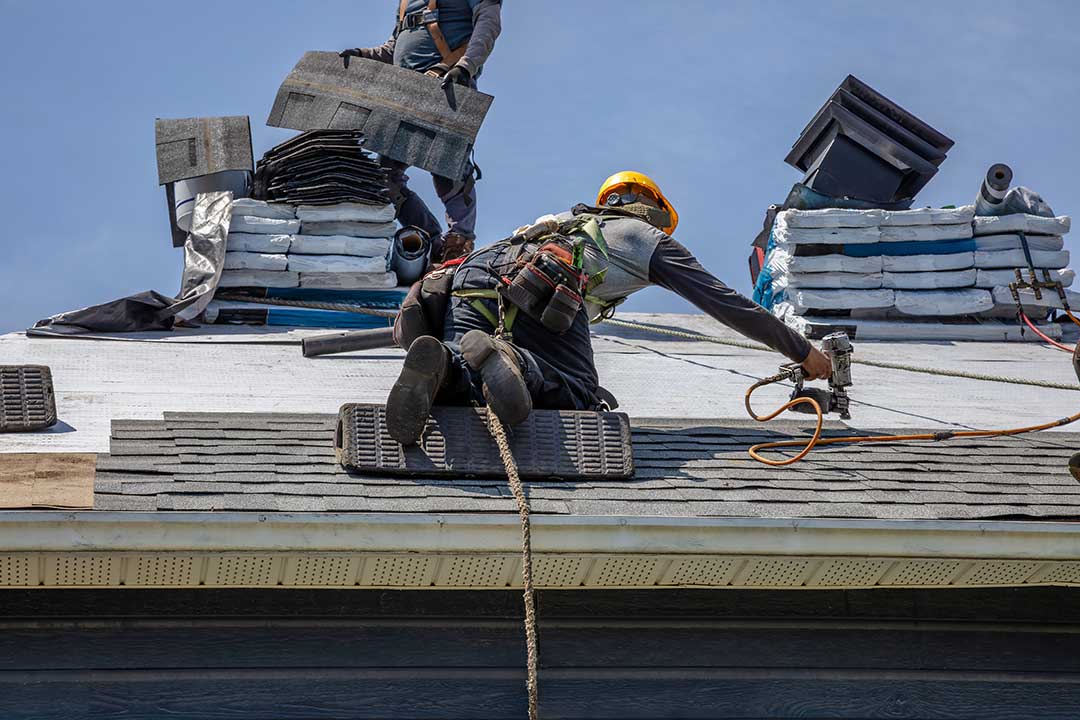
Community observations over the years have shown a correlation between periods of heavy precipitation, older roofs, and increased complaints of indoor mold or musty odors. By installing a new, properly designed roof, area residents protect their homes not just from weather but also from triggers that contribute to allergies year-round.
What Are Some Common Misconceptions About Roofing and Indoor Allergens?
Some residents believe that keeping windows closed is the main defense against outside irritants. While this helps, a compromised roof can let in much more than a slightly open window—especially after storms or with older construction. Others might think routine cleaning is enough, but if allergens are entering through the roof and attic, even the cleanest rooms can have ongoing issues.
Another overlooked point is the role of attic ventilation. Poorly ventilated attics in humid climates, such as the local area experiences, can breed mold even when roof leaks are minor. New roof installations often include updated ridge vents or soffit venting, both designed to keep air moving and humidity under control—directly addressing a major source of allergens.
What Should Farmington Residents Know Before Deciding on a Roof Replacement?
Choosing to install a new roof is a significant investment, but for those with allergy concerns, it has measurable indoor health benefits. During installation, it’s beneficial to ask about:
- The types of underlayment and ventilation systems being proposed.
- How the new roof will handle rain, snow, and wind—especially at transitions and penetrations.
- Materials that resist algae and mold growth, which thrive in damp, shaded local yards.
While the process may be disruptive for a few days, the result is often a tighter, healthier home environment—reducing reliance on air purifiers, dehumidifiers, and allergy medications.
For many local families, especially those near wooded areas or open fields where pollen and mold are abundant, ensuring a new, well-installed roof has made a noticeable difference in everyday air quality and comfort.
