

What Are Roof Eaves and Why Do Homes Have Them?
Roof eaves are the edges of the roof that extend beyond the exterior walls of a house. Their purpose goes far beyond decorative value, serving as a critical feature for protecting buildings in Farmington, NY from the region’s common weather patterns.
Eaves help direct water away from the house, which can minimize damage to siding, foundations, and landscaping below. By creating this overhang, they reduce the likelihood of rainwater running directly down the walls—a pattern especially relevant during the spring rains and winter thaws common in the area. Additionally, well-designed eaves offer shade in the summer and can prevent heavy accumulation of snow pressing against the windows or foundation.
How Do Roof Eaves Protect Against Water Damage?
The main function of roof eaves is to control how water is shed from the roof during rain or snowmelt.
Eaves extend far enough to ensure that when rainwater runs off the shingles, it falls away from the base of the home. This is crucial in Farmington, where moisture around the foundation can lead to basement leaks, soil erosion, and icy walkways during freeze-thaw cycles. Without eaves, gutters are less effective, and water can pool near the home, increasing the risk for mold and rot in both siding and components under the roofline.
Do Roof Eaves Help with Ventilation and Energy Efficiency?
Yes—eaves often include soffit vents that allow air to circulate into the attic space. This passive ventilation system can help regulate attic temperatures throughout the seasons.
- In summer, cool air enters through the soffit vents and warm air escapes through vents at the roof ridge. This cycle reduces overheating, which protects roofing materials and helps keep cooling costs lower.
- In winter, attic ventilation reduces the risk of ice dams, which can form when snow on the roof melts and refreezes at the edges. Ice dams can force water backwards under shingles, causing leaks and damage.
Properly ventilated eaves are particularly beneficial in Farmington’s climate, where humidity and temperature swings create risk for both summer heat buildup and winter ice formation.
What Are Common Types of Eaves Seen on Local Homes?
While the materials and exact design can vary, most houses in Farmington use one of several common eave styles:
- Open eaves: The underside is exposed, showing the rafter tails. This style is often found in older homes or traditional designs.
- Closed eaves: The underside is covered, typically with soffit panels. This design offers extra protection against pests and moisture, popular in newer builds.
- Boxed eaves: A variation where the eave is encased between the roof and exterior wall, creating a neat, boxed-in look.
Homeowners should be aware that the appropriate eave style depends on both the architectural style of the house and the practical needs for weather protection and airflow.
How Should Residents Care for and Maintain Roof Eaves?
Regular maintenance helps keep eaves functioning as intended. Residents of Farmington should:
- Check gutters and downspouts under the eaves twice yearly to ensure they are free of leaves and debris.
- Inspect soffit and fascia boards for signs of rot, peeling paint, or holes that could allow in birds or small animals.
- Look for water stains or signs of mildew on the underside of the eaves, which might indicate clogged gutters or ice dams.
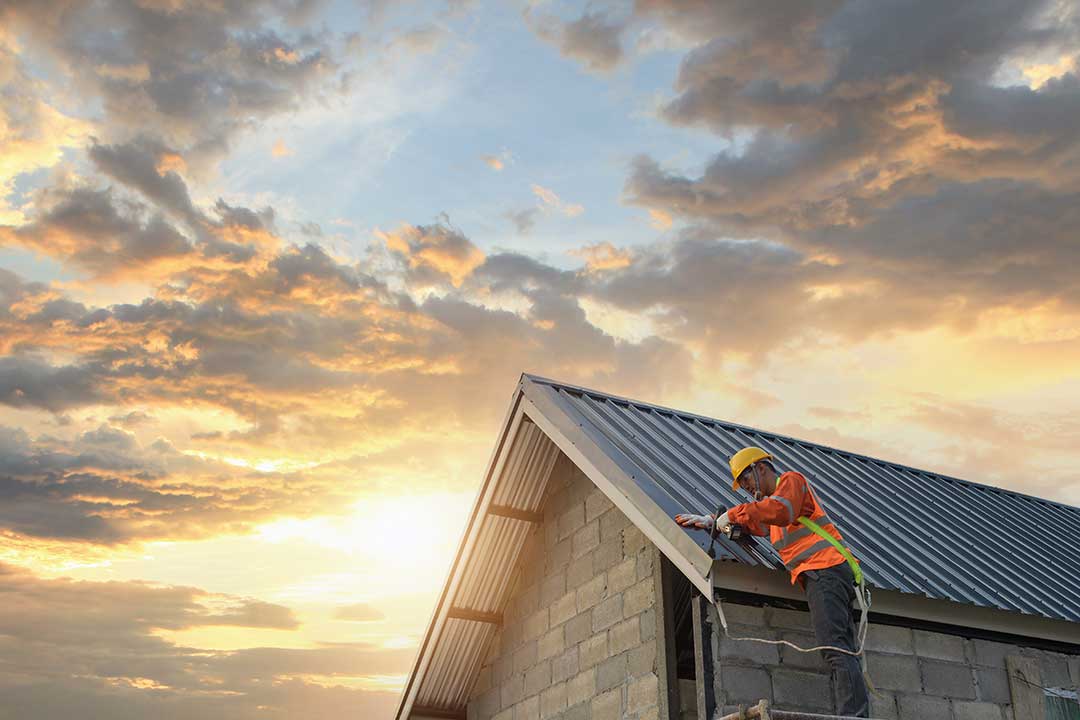
Proper care helps prevent costly repairs and maintains the protective function of the eaves throughout all four seasons.
Are There Local Building Codes or Standards Related to Roof Eaves?
Most new construction or significant renovation work must adhere to local building codes, which may dictate spacing, overhang length, and materials for eaves to address both aesthetic and safety standards. Codes may also require specific types of ventilation or minimum overhangs to ensure adequate water dispersal.
Residents seeking to modify or build new eaves should check with local municipal or township offices to review any applicable guidelines, especially if aiming to prevent water infiltration or wildlife entry, issues made more pressing by Farmington’s seasonal climate.
What Problems Can Result from Damaged or Improper Eaves?
If eaves are undersized, poorly installed, or damaged, local households may observe:
- Dripping or pooling along the foundation after rain
- Peeling paint or rotted wood near the roofline
- Unwelcome wildlife nesting in the gaps under the eaves
- Ice dam formation leading to roof leaks
Residents often overlook the role of eaves until larger issues arise. Any visible sagging, water marks, or gutter separation should be addressed promptly to avoid more significant repairs.
How Do Eaves Contribute to Home Comfort and Longevity?
The presence and upkeep of eaves can directly affect the comfort and integrity of both older and newer homes in Farmington. Shaded windows reduce overheating on sunny afternoons, and ice and water barrier protection minimizes the likelihood of unwanted drafts or moisture entering the house. Over the long term, sound eaves also protect the investment homeowners make in siding, landscaping, and even their basement spaces.
For local families, recognizing and valuing the function of roof eaves is a practical way to preserve property condition in a region known for variable weather.
