
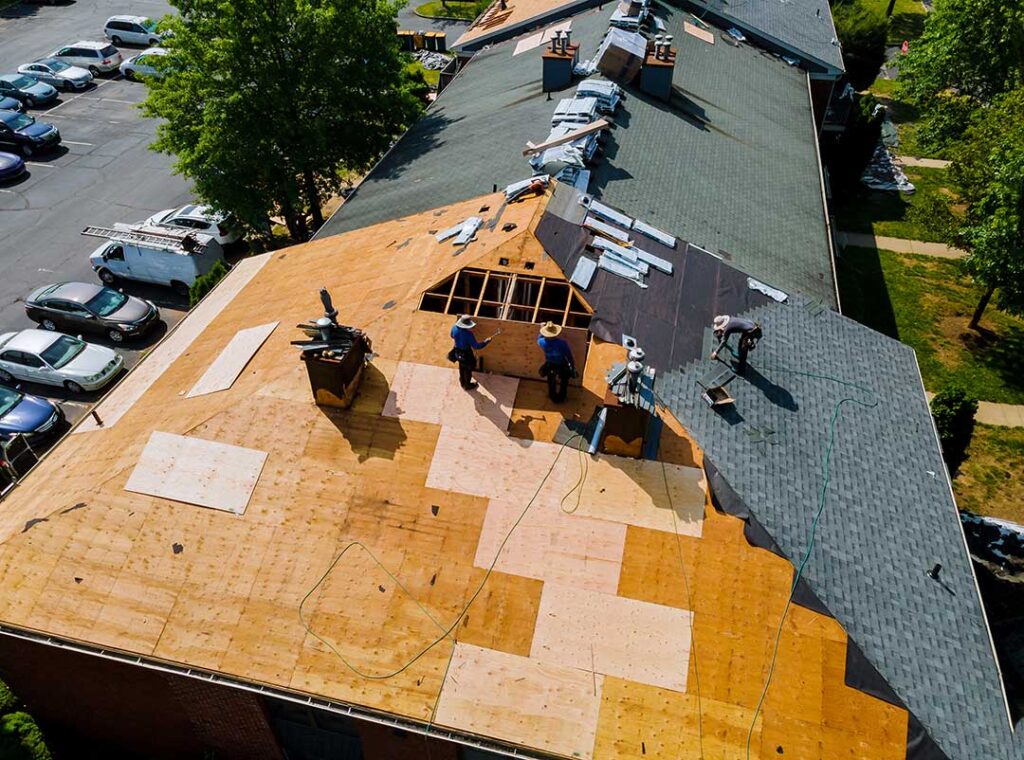
Does homeowners insurance cover roof damage?
Usually, homeowners insurance covers sudden roof damage caused by a covered event, such as wind, hail, lightning, fire, or a falling tree. It generally does not cover ordinary aging, poor maintenance, rot, deterioration, or a roof that has simply reached the end of its service life. ([iii.org](https://www.iii.org/article/how-your-roof-influences-your-home-and-business-insurance?utm_source=openai))
For households in Farmington, NY, that distinction matters because roofs experience repeated seasonal stress. Winter snow and ice, freeze-thaw cycles, spring rain, summer storms, and falling branches can all affect roof components differently. Insurance typically responds to the covered event, not to the gradual condition that existed before it.
For example:
- Wind tears shingles from an otherwise serviceable roof: coverage may apply.
- A tree falls through the roof during a storm: coverage may apply, subject to the policy.
- An old roof develops a leak because flashing has deteriorated: the repair may be considered maintenance.
- Ice damming causes interior water damage: coverage depends on the policy language and the cause of the loss.
The policy is the controlling document. A general explanation cannot determine whether a specific claim will be accepted.
What is the difference between replacement cost and actual cash value?
Replacement cost coverage generally pays the cost to replace damaged property with materials of similar kind and quality, subject to the policy limit and deductible. Actual cash value subtracts depreciation for age and condition before payment.
That difference can be significant with an older roof. A policy may cover storm damage but pay only the roof’s depreciated value, leaving the homeowner responsible for more of the replacement cost. The New York Department of Financial Services advises homeowners to review whether roof coverage is based on actual cash value or replacement cost. ([dfs.ny.gov](https://www.dfs.ny.gov/consumers/help_for_homeowners/homeowner_tenant_guide?utm_source=openai))
Consider a simple example. If a roof would cost $18,000 to replace but its depreciated value is determined to be $7,000, an actual-cash-value settlement could be based on the lower figure, minus the deductible. A replacement-cost policy may provide additional payment after qualifying repairs or replacement, depending on the claim procedure.
Look for terms such as:
- Replacement cost
- Actual cash value
- Roof surface limitation
- Roof age limitation
- Wind or hail endorsement
- Matching or uniform-appearance provisions
- Ordinance or law coverage
These provisions can change at renewal, particularly as a roof becomes older.
Does insurance pay for an old or leaking roof?
Insurance generally does not pay to replace a roof solely because it is old, worn, or leaking from long-term deterioration. A homeowners policy is not a maintenance contract; owners remain responsible for routine upkeep and repairs. ([content.naic.org](https://content.naic.org/sites/default/files/publication-hoi-pp-consumer-homeowners.pdf?utm_source=openai))
However, an older roof may still have coverage for a separate, sudden event. If a storm damages a section of the roof, the insurer may evaluate the storm damage independently from pre-existing wear. The condition of the roof can affect the amount paid, whether coverage applies, and whether damaged materials can be repaired rather than fully replaced.
A leak discovered after heavy rain does not automatically prove that the rain caused the roof failure. Water may have entered through storm damage, failed flashing, an unsealed penetration, ice-related conditions, or long-term deterioration. Documentation helps establish the timeline and possible cause.
What should a homeowner do after suspected storm damage?
Safety comes first. Do not climb onto a wet, icy, steep, or visibly damaged roof. If water is entering the home, place containers under active drips when safe, move belongings away from the affected area, and address electrical hazards immediately.
Then take reasonable steps to prevent additional damage. Temporary measures may include covering an opening from the ground or arranging emergency water removal. Keep receipts for temporary repairs and protect damaged materials until the insurer has had a reasonable opportunity to inspect them.
Useful documentation includes:
- Photos and video of visible damage from safe locations
- The date and approximate time the damage was discovered
- Weather conditions or storm reports
- Photos of interior staining, wet insulation, ceilings, and personal property
- Records of prior roof repairs, inspections, and maintenance
- Receipts for temporary protection and emergency cleanup
Notify the insurer promptly and ask about the claim process, inspection timing, deductible, and any requirements before permanent repairs begin. Avoid discarding damaged materials unless they create a health or safety concern.
How do deductibles affect a roof claim?
A deductible is the amount the homeowner pays before insurance contributes to a covered loss. Standard deductibles may apply to the dwelling, while a separate wind or hail deductible may apply to certain storm claims.
The New York Department of Financial Services explains that windstorm deductibles may be written as a percentage of the dwelling limit rather than as a fixed dollar amount. ([dfs.ny.gov](https://www.dfs.ny.gov/consumers/help_for_homeowners/insurance/basic_coverage?utm_source=openai))
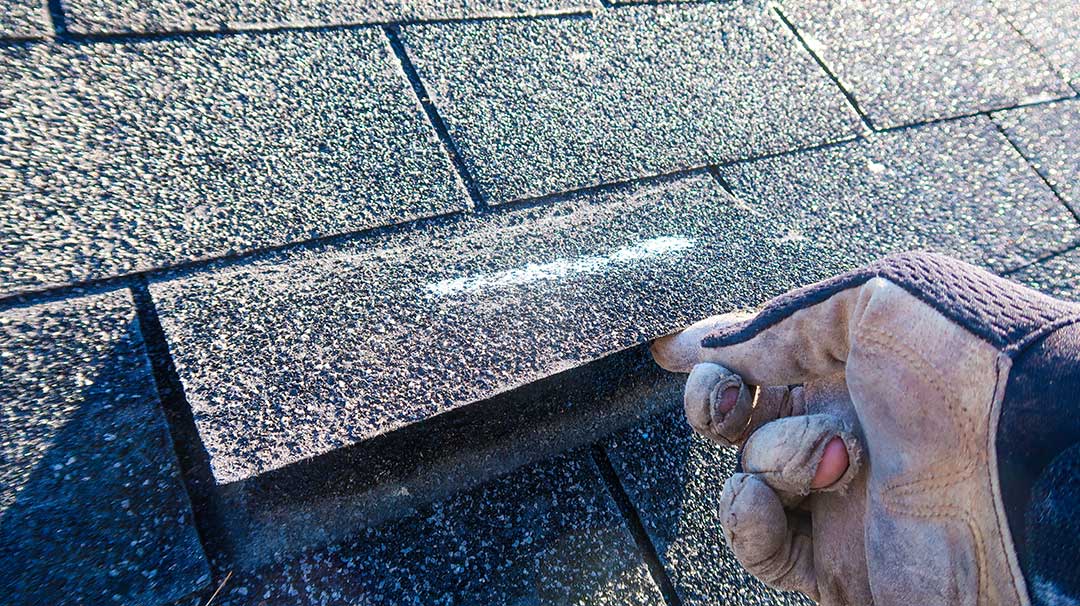
For example, a 1% deductible on a dwelling limit of $300,000 would equal $3,000. The percentage may be based on the policy’s wording, so the declarations page should be reviewed carefully.
Do not assume that every storm-related roof loss uses the same deductible. Ask which deductible applies before making decisions about repairs.
Can an insurer refuse to renew coverage because of the roof?
An insurer may review roof age, condition, materials, and maintenance history when underwriting or renewing a policy. Some policies limit roof payments for older roofs or require corrective work within a stated period. Industry guidance also warns that poor roof condition can create renewal problems or lead to actual-cash-value limitations. ([dfs.ny.gov](https://www.dfs.ny.gov/reports-and-publications/press-releases/st2025-02-11-full-doc?utm_source=openai))
A renewal notice, inspection letter, or request for documentation should not be ignored. Review the stated deadline and ask the insurer to explain:
- What specific roof condition was identified
- Whether the concern affects coverage, renewal, or both
- What documentation will satisfy the requirement
- Whether the insurer requires a full replacement or a defined repair
- Whether the policy will change from replacement cost to actual cash value
Keep written records of communications and copies of inspection reports.
Does replacing a roof lower insurance costs?
A new roof does not guarantee a lower premium, but insurers may consider roof age, materials, construction quality, and protective features when rating a home. New York’s Department of Financial Services lists possible roof-related discounts involving high-wind-rated coverings, hail-resistant materials, roof-to-wall connections, improved roof-deck attachments, and other mitigation features. Eligibility varies by insurer and policy. ([dfs.ny.gov](https://www.dfs.ny.gov/consumer-insurance-discounts-savings?utm_source=openai))
After a replacement or major upgrade, keep the permit information when applicable, invoices, product details, photos of the work, and any inspection documents. Ask the insurer whether updated records affect the policy or qualify for a discount. A roof improvement should not be assumed to change coverage automatically.
What roof and insurance questions deserve attention before winter?
Before snow and freezing temperatures arrive, review the declarations page and policy endorsements rather than relying on assumptions. Confirm the roof’s coverage basis, deductible amounts, exclusions, and any age-related limitations.
A practical seasonal review can include:
- Looking for missing, lifted, or cracked shingles from the ground
- Checking attic areas for staining, damp insulation, or daylight
- Keeping gutters and drainage paths clear when safely possible
- Trimming branches that threaten the roof
- Recording the roof’s approximate installation date
- Saving repair and maintenance records in one location
- Knowing how to report a claim and what emergency steps the policy allows
The central question is not simply whether a roof is “covered.” It is whether the policy covers the specific cause of loss, how it values the damaged materials, which deductible applies, and what responsibilities the homeowner has before and after a claim.
