
Which roofing materials are most common in Farmington, NY?
For many homes in Farmington, asphalt shingles, metal roofing, and architectural composite products are the most practical choices. Slate, wood, and tile can also be suitable, but their weight, installation requirements, maintenance needs, and cost make them less common.
A roofing material should be evaluated as part of a complete roof system, not as an isolated surface. The roof deck, underlayment, flashing, ventilation, insulation, drainage, and installation details all affect performance. A durable material installed over a poorly ventilated or deteriorated roof deck can still develop problems.
Local conditions also matter. Homes in this area experience freezing temperatures, snow, rain, wind, summer heat, falling branches, and repeated freeze-thaw cycles. Ice forming near eaves can create water backups, which is why New York State residential requirements address ice-barrier protection for several roofing materials.
Are asphalt shingles a practical choice?
Yes. Asphalt shingles are widely used because they offer a balance of cost, appearance, availability, and installation simplicity.
Architectural asphalt shingles are generally thicker and more dimensional than basic three-tab shingles. They are available in many colors and can complement common residential styles without adding substantial weight to the structure.
Advantages include:
- Lower initial cost than most premium roofing materials
- Broad compatibility with typical residential roof designs
- Relatively straightforward repairs and replacement
- Many color and texture options
- Moderate resistance to wind, rain, and routine weather exposure
Limitations include:
- Shorter service life than quality metal, slate, or tile
- Granule loss, cracking, and curling may develop with age
- Dark surfaces can absorb considerable heat during summer
- Snow and ice can expose weaknesses in flashing, valleys, and roof edges
- Repairs may be more noticeable when older shingles are no longer available
Asphalt shingles are not automatically a poor choice for cold climates. Their performance depends heavily on proper underlayment, ventilation, flashing, fastening, and roof slope. On lower-slope sections, additional underlayment requirements may apply.
What are the advantages and disadvantages of metal roofing?
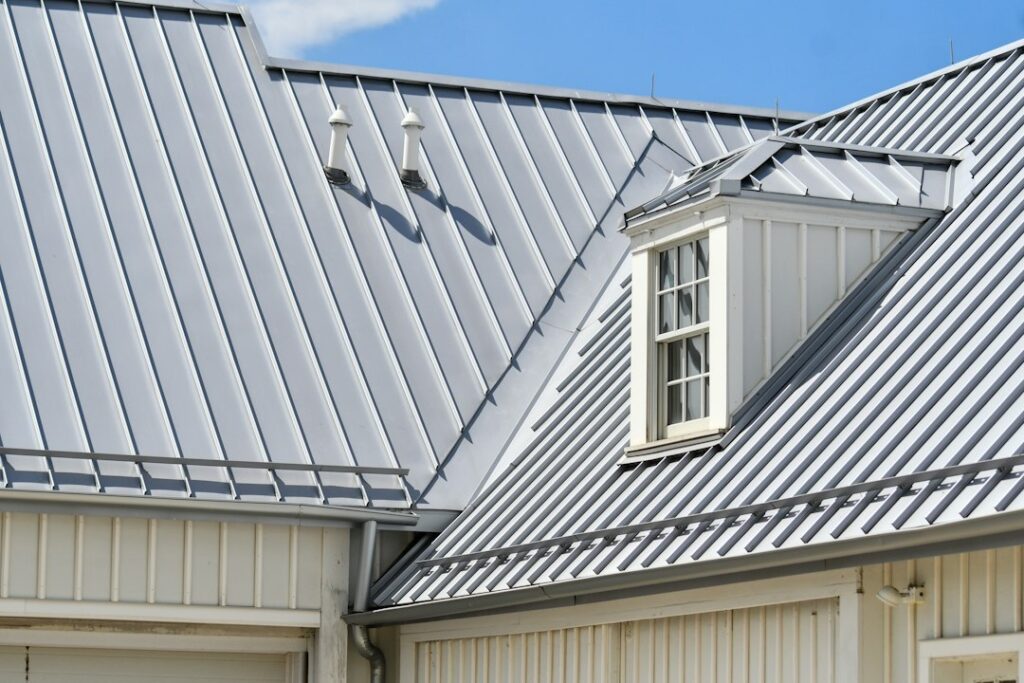
Metal roofing can provide long service life and strong resistance to rain, snow, wind, and fire exposure. It is available in large panels or smaller shingles designed to resemble other materials.
Standing-seam metal roofs have concealed fasteners and long vertical seams. Exposed-fastener panels are often simpler in appearance and may require closer attention to fastener maintenance over time. Metal shingles can provide a more traditional look while retaining many benefits of metal construction.
Advantages include:
- Long expected service life when properly installed
- Good resistance to moisture and snow
- Low likelihood of rot or insect damage
- Lightweight compared with slate, clay tile, or concrete tile
- Smooth surfaces may shed snow readily
- Some products contain recycled content and can be recycled later
Limitations include:
- Higher initial cost than common asphalt shingles
- Expansion and contraction can stress fasteners or seams if details are poor
- Rain and hail may sound louder inside without adequate attic insulation
- Snow sliding from a smooth roof can create a safety hazard near entrances or walkways
- Repairs may require matching a specific panel profile, finish, or color
Metal roofing does not eliminate ice dams. Ice dams are usually related to heat loss, attic insulation, ventilation, roof geometry, and weather conditions. A metal roof may shed snow more easily, but the roof still needs proper edge protection and drainage planning.
Is slate roofing worth considering?
Natural slate is among the longest-lasting roofing materials available. It has a distinctive appearance and can remain serviceable for many decades when the slate, fasteners, flashing, and supporting structure are all appropriate.
The main concern is weight. Slate is substantially heavier than asphalt shingles and may require structural evaluation before installation. It also needs specialized installation and repair methods because individual pieces can crack if walked on improperly.
Advantages include:
- Very long potential service life
- Strong resistance to fire, rot, and insects
- Natural appearance that changes little over time
- High resistance to many forms of weather exposure
Limitations include:
- High material and installation cost
- Significant weight
- Specialized repair requirements
- Brittle pieces that can break from impact or improper foot traffic
- Difficulty matching older slate during repairs
Synthetic slate products may offer a similar appearance at lower weight, but their performance varies by product and installation quality. They should not be assumed to have the same lifespan as natural slate.
How do wood shingles and shakes perform?
Wood shingles and shakes can suit older, rustic, or historically styled homes. Cedar is commonly associated with this category because it naturally resists some moisture and insect damage.
Wood roofing requires more attention than asphalt or metal. It needs space to dry, proper ventilation, and regular observation for splitting, curling, moss, mildew, or decay. Nearby trees can add debris that holds moisture against the roof surface.
Advantages include:
- Warm, natural appearance
- Potentially good performance when maintained correctly
- Compatibility with certain traditional home designs
- Some repair options for individual damaged pieces

Limitations include:
- Greater maintenance demands
- Susceptibility to moisture-related deterioration
- More complicated fire-resistance considerations
- Potential for moss and mildew in shaded or damp areas
- More sensitivity to installation details and ventilation
Wood roofing may be less forgiving on homes where roof debris accumulates or where shaded slopes remain damp after rain and snow.
What about clay or concrete tile?
Tile roofing can be durable, attractive, and resistant to fire and decay. Concrete tile is generally heavier than many other roofing materials, while clay tile can be both heavy and brittle.
Tile systems require adequate structural support and carefully designed flashing. Individual tiles can crack from impact, falling branches, improper walking, or severe weather. The underlayment beneath the tile remains an important part of waterproofing, especially as the roof ages.
Tile may be a reasonable choice for a home specifically designed to support it, but it is not usually a simple replacement for asphalt shingles. A change in material can affect roof weight, framing, ventilation, flashing, and drainage.
Which material handles local winter conditions best?
No single material is best for every roof. In Farmington, winter performance depends at least as much on roof design and installation as on the visible covering.
Useful questions include:
- Does the attic have adequate insulation and balanced ventilation?
- Are valleys, chimneys, skylights, and wall intersections properly flashed?
- Is ice-barrier underlayment installed where required?
- Can the roof structure support the selected material?
- Are gutters and downspouts positioned to manage melting snow and rain?
- Could sliding snow fall onto doors, lower roofs, decks, or walkways?
- Are fasteners, seams, and penetrations suitable for repeated freeze-thaw cycles?
The current New York State residential code includes requirements for roof slope, underlayment, flashing, wind resistance, and ice barriers. In addition, local building-permit requirements may apply to roof replacement or structural changes. A material change is more significant than simply replacing one layer of shingles with another.
How should homeowners compare roofing materials?
Start with the roof itself rather than choosing by appearance alone. A steep, simple roof may accommodate different materials than a low-slope roof with several valleys, dormers, and penetrations.
Compare:
- Expected service life
- Initial and long-term cost
- Weight and structural requirements
- Resistance to wind, snow, fire, moisture, and impact
- Repairability and availability of matching materials
- Maintenance needs
- Compatibility with the existing roof deck
- Appearance in relation to the home
- Potential for snow sliding
- Installation requirements under New York State code
A lower-priced roof can make sense when the structure is straightforward and future replacement is acceptable. A higher-cost material may be reasonable when long service life, fire resistance, reduced maintenance, or architectural character is the priority. The most reliable decision is the one that matches the home’s structure, slope, exposure, budget, and expected length of ownership.
IMAGE_ALT:
A residential roof displays asphalt shingles, standing-seam metal, slate tiles, and wood shakes on separate sections.
