
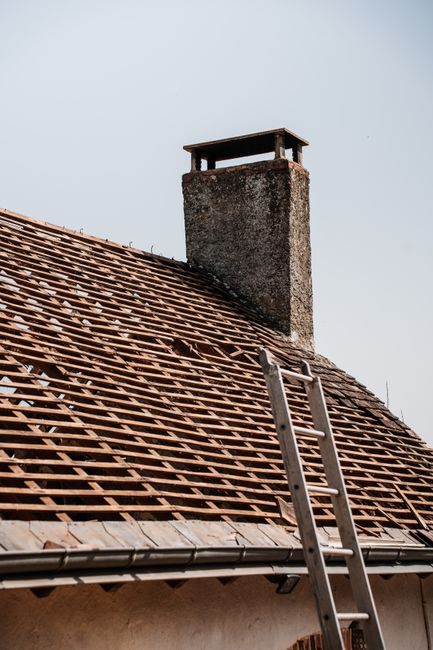
Roof maintenance is mostly a matter of observation, light cleaning, and timely repairs. For homeowners in Farmington, NY, regular checks are especially useful because roofs must handle snow, ice, wind, freezing temperatures, spring rain, summer heat, and falling leaves over the course of a year.
DIY maintenance can help identify minor problems before they become interior leaks or structural damage. It should not involve walking on a steep, wet, icy, or visibly damaged roof.
How often should a roof be checked?
A typical home benefits from a visual roof inspection at least twice a year: once in spring and again in early fall. Additional checks are sensible after major windstorms, heavy snow, ice buildup, or unusually strong rain.
A ground-level inspection can reveal many warning signs without climbing. Use binoculars if needed and look for:
- Missing, cracked, curled, or lifted shingles
- Dark patches that may indicate worn or damp roofing materials
- Exposed underlayment or roof decking
- Loose flashing around chimneys, vents, skylights, or wall intersections
- Sagging areas along the roofline
- Excessive granules collecting near downspouts
- Moss, algae, or plant growth
- Bent or detached gutters and downspouts
A roof does not need to look dramatically damaged to have a developing problem. Small areas of lifted flashing or a single missing shingle can allow water beneath the roofing during the next storm.
What roof maintenance can safely be done from the ground?
Many useful tasks do not require roof access. Keeping nearby trees trimmed, checking drainage, and looking for changes in the roof surface are all safer from ground level.
Tree branches should not rub against shingles or hang heavily over the roof. During windy weather, rubbing branches can wear away the protective surface and drop debris into valleys and gutters. Dead limbs also create a risk of impact damage.
Look at the roof after rain if possible. Water should drain toward gutters and downspouts without pooling along roof edges or collecting in low areas. Persistent puddles may point to drainage or structural concerns that should not be handled as a simple cleaning project.
Attic or upper-floor observations can also help. Stains, damp insulation, musty odors, peeling paint, or daylight visible through the roof assembly may indicate water entry. Keep in mind that a ceiling stain is not always directly below the exterior leak; water can travel along rafters and roof decking before appearing indoors.
How should gutters and downspouts be maintained?
Clean gutters at least twice each year, with extra attention after leaves have fallen. Clogged gutters can cause water to back up beneath the roof edge, soak fascia boards, damage siding, and contribute to basement or foundation moisture.
Before cleaning, use a stable ladder on level ground and keep both hands available whenever possible. Never stand on the top rungs. A ladder stabilizer or another safe setup can reduce the chance of damaging the gutter or losing balance.
Remove leaves and compacted debris by hand or with a small scoop, then flush the channel with a hose. Check that:
- Water flows freely toward the downspout
- Downspouts remain firmly attached
- Elbows do not leak
- Water exits away from the foundation
- Gutters do not sag between fasteners
In areas with frequent freezing, make sure water is not trapped in low sections. Repeated freezing and thawing can pull gutters away from the fascia and increase the weight placed on roof edges.
What should homeowners know about snow and ice?
Snow does not automatically mean a roof needs to be cleared. Most residential roofs are designed to carry typical seasonal loads, but unusually deep, heavy, or uneven snow can create additional stress.
Do not climb onto a snow-covered roof. The surface may be slippery, hidden beneath the snow, or weakened by moisture. Avoid chopping ice with a shovel, hatchet, or other sharp tool because this can damage shingles and flashing.
Ice dams form when heat escaping from the attic melts snow on the warmer upper portions of a roof. The water can refreeze near colder eaves and back up beneath roofing materials. Warning signs include thick ice along the gutter edge, icicles combined with indoor dampness, or water stains near exterior walls and ceilings.
Long-term ice-dam prevention depends largely on proper attic insulation, air sealing, and ventilation. These are building-performance issues rather than simple surface-cleaning tasks. A homeowner can inspect the attic for obvious gaps, compressed insulation, or blocked soffit vents, but modifications around electrical wiring, recessed lighting, or moisture-damaged materials require caution.
Is moss or algae on a roof dangerous?
Moss is more concerning than a small amount of surface discoloration because it can hold moisture against shingles and lift their edges. Algae may create dark streaks without causing immediate damage, but heavy growth often signals shaded, damp conditions that slow drying.
Do not pressure-wash asphalt shingles. High-pressure water can remove granules and shorten the roof’s service life. Scraping moss aggressively can also loosen shingles.
Small areas may sometimes be treated with a roof-safe cleaning solution and a soft brush used gently in the direction of the shingle surface. Protect plants below from runoff and follow all product safety instructions. If growth is extensive, the roof is steep, or shingles are brittle, staying off the roof is the safer choice.
How can flashing and roof penetrations be checked?
Flashing is installed where water is most likely to enter, including around chimneys, plumbing vents, skylights, roof-to-wall transitions, and valleys. From the ground or attic, look for loose metal, separated sealant, rusted sections, or gaps.
Do not cover a suspected leak with layers of caulk as a permanent fix. Sealants can fail, trap water, or hide the actual source of the problem. A temporary measure may reduce exposure during an active storm, but damaged flashing usually requires a correctly fitted repair.
Plumbing vent boots deserve attention because their rubber components can crack with age and temperature changes. Signs of trouble may include a ceiling stain near a bathroom, damp attic insulation, or visible deterioration around the vent base.
Which roof problems require trained help?
Some conditions are unsafe or too complex for routine DIY maintenance. These include:
- Sagging roof areas
- Active leaking during severe weather
- Large sections of missing roofing
- Fire, lightning, or fallen-tree damage
- Loose electrical equipment near the roof
- Steep, icy, or fragile roof surfaces
- Structural movement around chimneys or roof edges
- Widespread mold, rot, or wet insulation
Roof work becomes particularly hazardous during freezing weather, strong wind, rain, and early morning frost. A damaged roof can also conceal weakened decking that may not support a person’s weight.
Documenting the problem with photographs from the ground, recording when it first appeared, and checking the attic can provide useful information for a qualified roofing or building professional. Avoid disturbing damaged areas until the situation is understood.
What is the simplest maintenance routine?
A practical routine is to inspect from the ground in spring, clean and test gutters in late spring and fall, check the attic after major storms, and review the roof again before winter. Keep tree branches away from the roof, remove debris without scraping shingles, and treat any new ceiling stain or unexplained dampness as a reason to investigate promptly.
Regular observation cannot prevent every roofing problem, but it can make small defects easier to find while access, weather, and repair options are still manageable.
