
A roof usually lasts longest when minor problems are found before they become sources of water entry, trapped moisture, or structural damage. In Farmington, NY, seasonal snow, freeze-thaw cycles, wind, rain, and summer humidity make regular observation especially useful.
Roof maintenance does not mean climbing onto the roof frequently or attempting hazardous repairs. Much of the useful work involves checking visible conditions from the ground, keeping drainage paths clear, controlling attic moisture, and responding promptly to warning signs.
What shortens a roof’s life?
The most common causes of premature roof failure are moisture, poor ventilation, physical damage, and delayed repairs. A roof may appear sound from the street while water is already affecting the roof deck, insulation, fascia, or attic framing.
Several conditions deserve attention:
- Missing, cracked, curled, or heavily worn shingles
- Damaged flashing around chimneys, skylights, walls, and roof penetrations
- Clogged gutters or downspouts
- Moss or heavy organic debris that keeps roofing materials damp
- Ice dams and repeated snow buildup
- Poor attic ventilation or air leakage from the living space
- Fallen branches, wind damage, and loose metal components
- Condensation or staining visible inside the attic
Age also matters, but a roof’s service life is not determined by age alone. Two roofs of the same age can perform very differently depending on installation quality, ventilation, shading, maintenance, and exposure to severe weather.
How often should a roof be checked?
A practical schedule is to look over the roof and drainage system at least twice a year, preferably in spring and fall. Additional checks are sensible after strong winds, heavy snow, hail, or a nearby fallen branch.
The inspection does not require walking on the roof. From the ground or a safely accessible window, look for uneven areas, loose materials, exposed underlayment, damaged flashing, and excessive debris. Binoculars can help identify problems without creating a fall risk.
Spring checks are useful for finding winter damage, ice-dam effects, and blocked drainage. Fall checks help identify conditions that could become more serious during snow and freezing weather.
A roof should also be checked when any of these signs appear indoors:
- Brown or yellow ceiling stains
- Damp attic insulation
- Musty odors
- Peeling paint near ceilings or upper walls
- Drips during rain or after snow melts
- Daylight visible through the roof deck
- Unexplained increases in indoor humidity
Why do gutters and downspouts affect roof life?
Gutters protect the roof edge, fascia, siding, foundation, and nearby landscaping by directing water away from the structure. If they are packed with leaves or shingle granules, water can back up beneath the roofing edge or overflow against exterior walls.
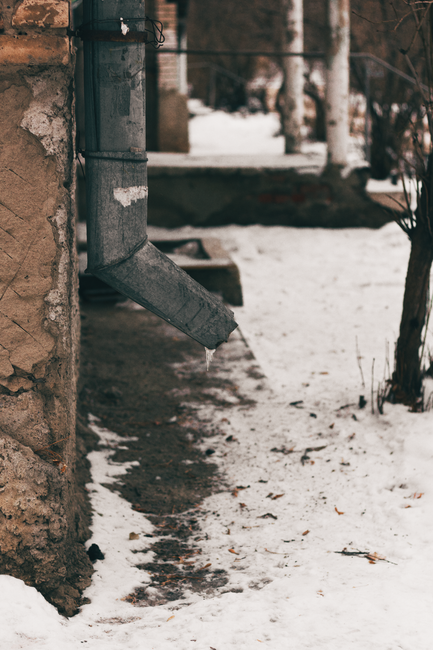
Clean gutters at least seasonally and inspect them after major storms. Downspouts should discharge water far enough away from the foundation to prevent repeated saturation. Extensions that have shifted, cracked, or become buried should be corrected.
Also check whether gutters are pulling away from the fascia. Sagging sections often hold standing water, adding weight and allowing water to remain against wood components.
How can ice dams be reduced?
Ice dams form when heat escapes into a cold attic, melts snow on the warmer upper roof, and the water refreezes near colder eaves. The resulting ice can block drainage and allow water to move beneath shingles.
The most effective prevention focuses on keeping the attic cold and dry:
- Seal air leaks between the heated space and attic.
- Maintain adequate insulation at the attic floor.
- Keep soffit and other ventilation paths open.
- Avoid blocking vents with insulation.
- Insulate or seal ducts and penetrations that pass through the attic.
- Remove excessive snow only with methods that do not damage the roofing surface.
Attic fans alone do not correct the underlying cause of ice dams and may create pressure or moisture problems if installed improperly. A balanced system of air sealing, insulation, and ventilation is generally more reliable.
If snow removal is necessary, avoid chopping ice or using sharp tools on shingles. The weight of a person, combined with slippery conditions, also creates a serious fall hazard.
Does attic ventilation really extend roof life?
Proper attic ventilation helps manage heat and moisture. During warm weather, it can reduce excessive heat buildup. During cold weather, it helps limit condensation and supports a more uniform roof temperature.
Ventilation works best when intake and exhaust paths are balanced. Typical components may include soffit vents, ridge vents, gable vents, or other designed openings. More ventilation is not automatically better; improperly placed or obstructed vents can move moisture into unwanted areas.
Look for damp insulation, frost on roof framing, rusted fasteners, mold-like discoloration, or peeling surfaces in the attic. These signs may indicate air leakage, inadequate ventilation, a roof leak, or a combination of problems.
Bathroom and kitchen exhaust fans should vent outdoors rather than into the attic. Moist household air released into an attic can condense on cold surfaces and gradually damage wood and insulation.
What should be done about moss, algae, and debris?
Leaves, pine needles, and other debris can trap moisture against roofing materials. Moss is especially concerning when it lifts shingles or grows into seams. Small amounts of surface discoloration do not always indicate failure, but thick growth should not be ignored.
Avoid pressure-washing shingles. High-pressure water can remove protective granules, force water beneath roofing materials, and shorten their useful life. Scraping or pulling moss aggressively can cause similar damage.
Overhanging branches should be kept from rubbing against the roof or dropping repeated debris. Tree work can be hazardous, particularly near power lines or on steep ground, so it may require specialized safety measures.
Which roof repairs should not be delayed?
Some problems become more expensive because they are left through several storms or seasons. Prompt attention is warranted for active leaks, exposed underlayment, missing shingles, large areas of granule loss, damaged flashing, sagging roof sections, and water entering around a chimney or vent.
A small ceiling stain may not identify the actual entry point. Water can travel along rafters, insulation, or roof decking before appearing indoors. Painting over the stain without locating the moisture source can allow hidden damage to continue.
Any repair involving steep slopes, icy surfaces, fragile roofing, electrical hazards, structural damage, or significant water intrusion should be treated as a safety issue rather than a routine do-it-yourself task.
How can homeowners avoid accidental roof damage?
Several common habits reduce roof life:
- Walking on shingles unnecessarily
- Leaning ladders directly against gutters
- Using metal tools to remove ice
- Attaching decorations with fasteners that puncture flashing or roofing
- Allowing satellite, solar, or other equipment penetrations to remain poorly sealed
- Ignoring loose chimney caps, vent covers, or flashing
- Applying coatings or sealants without confirming compatibility with the roofing material
When work is performed near the roof, protect the surface from dropped tools, dragged materials, and foot traffic. Even a roof that looks sturdy can have brittle shingles or weakened areas beneath the surface.
What is the most useful roof-care routine?
A simple seasonal routine can prevent many avoidable problems:
Spring: Check for winter damage, clean gutters, inspect the attic for moisture, and look for signs of ice-dam leakage.
Summer: Watch for curled shingles, exposed fasteners, deteriorated sealant, and excessive attic heat or humidity.
Fall: Clear drainage paths, trim hazardous branches, inspect flashing, and confirm that attic ventilation openings are not blocked.
Winter: Watch for unusual ice buildup, interior leaks, and heavy snow accumulation. Do not climb onto an icy roof.
The goal is not to make a roof last indefinitely. The goal is to keep water moving in the intended direction, maintain a dry attic, reduce preventable stress, and address small defects before they affect the roof deck or interior of the home.
